AI Is Widening the Skill Gap
Better agents increase the value of knowing what to build.
AI is widening the skill gap. As agents take on more of the execution, the ability to decide what should be built becomes more consequential. Someone who can conceive a complex system and direct its construction can now accomplish work that used to require an entire team.
Access to the same models does not produce equal results. The model needs a useful objective, a design that holds together, and someone who can judge whether its work advances that design. As execution gets faster, a good architectural decision can affect more work in less time. A bad interpretation can spread through an application just as quickly.
I see this in my own work. The technical breadth and architectural ability I developed over my career now let me direct substantial projects across disciplines I cannot personally execute. More of the systems I can imagine are within reach, and I can pursue several at once.
Experience changes what you ask the agents to build
Our AI infrastructure recently presented a communication problem. Applications needed to exchange work with independent processes and retain records of what happened. I brought ROS 2 into the design because I had worked with robotics. The field already has a foundation for exchanging messages among components and recording their activity.
That connection changes the engineering effort. We can investigate an established foundation for work we would otherwise have to design and maintain ourselves. I also directed the migration around keeping existing applications operational while moving them individually. Recognizing the relevant technology and making it usable in our circumstances are connected architectural decisions.
A stronger implementation agent makes those decisions more valuable. It can carry out more of the resulting design, including work beyond the architect’s own implementation skills. The direction still depends on recognizing the opportunity in the first place.
I spent much of my career moving into difficult adjacent fields. Computer vision in robotics required interpreting an uncertain view of the world. Embedded engineering forced attention to physical and resource limits. Distributed trading systems required a different kind of precision around state and transactions. Each field added something I could use when designing the next system.
That breadth was valuable before AI. Now I can act on the connections much faster and across a wider range of work. The architectural knowledge and the execution capacity reinforce each other.
The interpretation of the problem controls the result
I recently pushed a reconstruction project beyond reproducing the appearance of a scanned technical figure. An editable chart needs meaningful objects and relationships. A convincing picture of the chart does not establish that the system understands which values its bars represent or which labels belong to them.
Once that distinction is made, it changes the construction method and the test of success. We can direct agents to identify the figure’s meaningful parts, reconstruct them with appropriate tools, and inspect the complete result. The difficult capability becomes something we can demonstrate and improve.
I then connected that work to a government research opportunity involving engineering documents and robotic inspection. During the investigation, I challenged assumptions about what evidence we needed before pursuing it. A capability we had not demonstrated yet needed a feasibility test. Treating it as something we could not build would have ended the investigation before the important work began.
An architect has to make those distinctions. More code or more research will not resolve a mistaken definition of the problem by itself. Agentic systems give me enough execution capacity to follow a corrected direction quickly, while the surrounding design is still clear in my head.
More disciplines become available to one architect
Rowan is a game I brought to a playable development state in about eleven days while working on roughly four other substantial projects. Before AI, work at that scale could have occupied twenty people for a month or two, possibly longer. The concurrent projects matter because they show how far the available execution capacity extends.
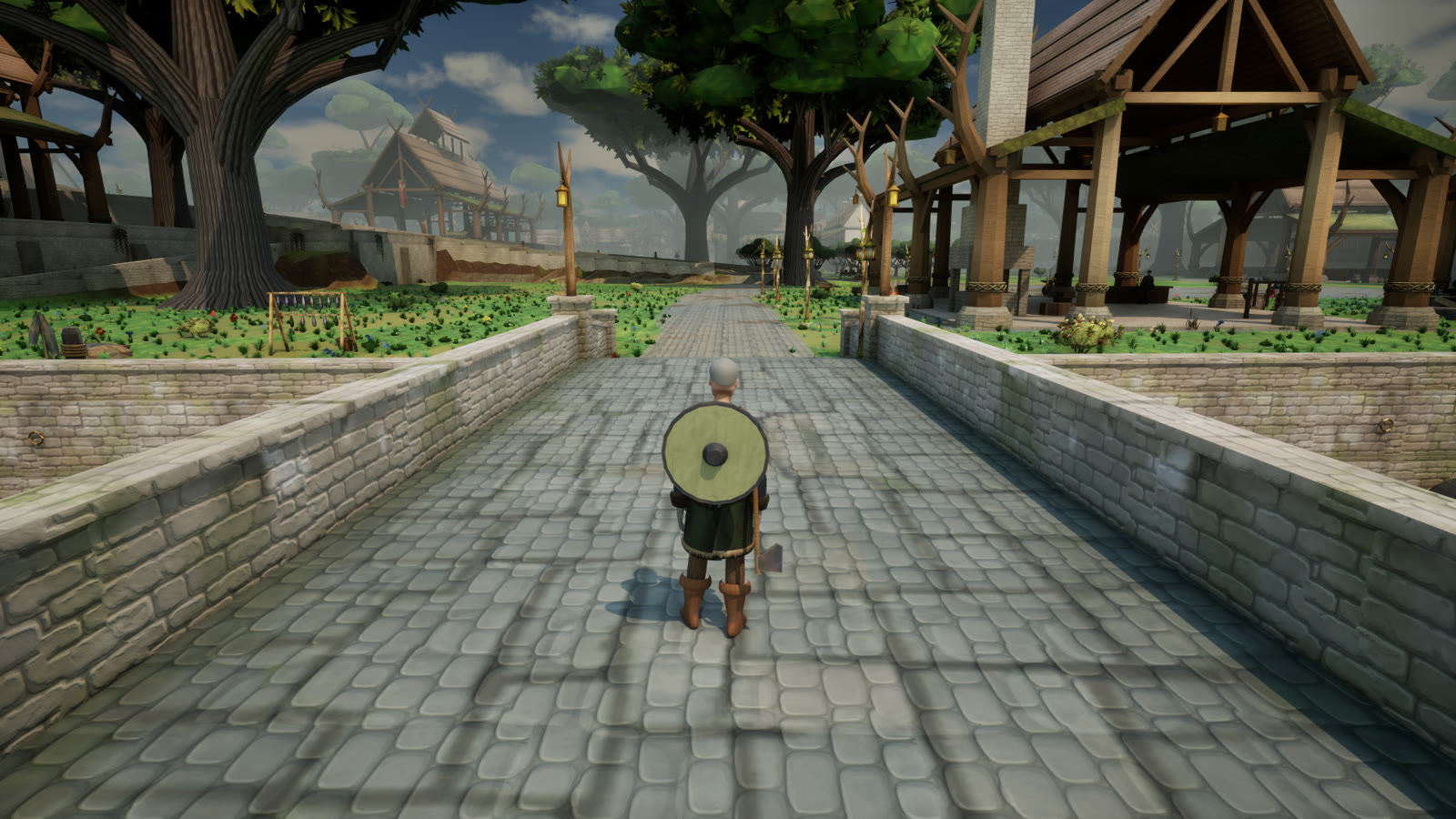
I still cannot personally do most of the specialist work needed to produce Rowan. I cannot build and package an Unreal game, model the world in Blender, compose its music, or paint its textures. Agents execute those jobs. My expertise is in designing systems and judging the experience I want them to create.
Lifelong gaming gives me a developed sense of what works. I can identify a weak interface, an unconvincing animation, or a map that fails to support the intended play. Architecture gives me a way to translate those judgments into changes that fit the larger game. Skill with agents lets me organize the work needed to make those changes.
Consider the creatures’ painted appearance. We use generated imagery to create a hand-painted texture effect on their meshes. That process lets me direct art production and request revisions without having artists on staff or being able to paint the textures myself. The practical gain is access to a production capability I could not previously exercise.
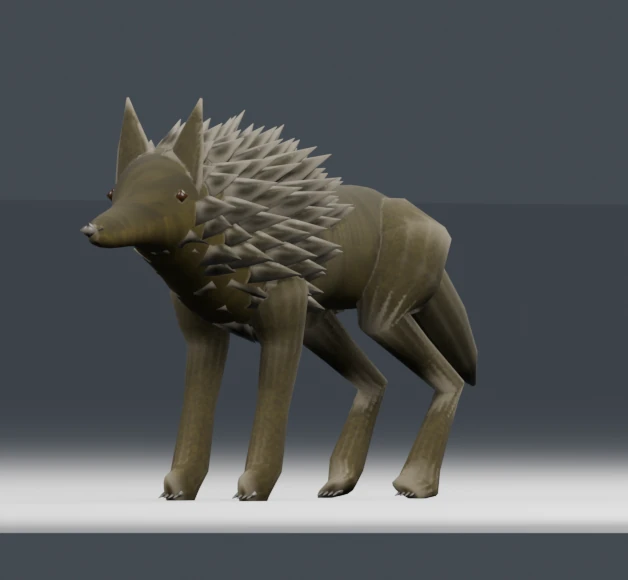
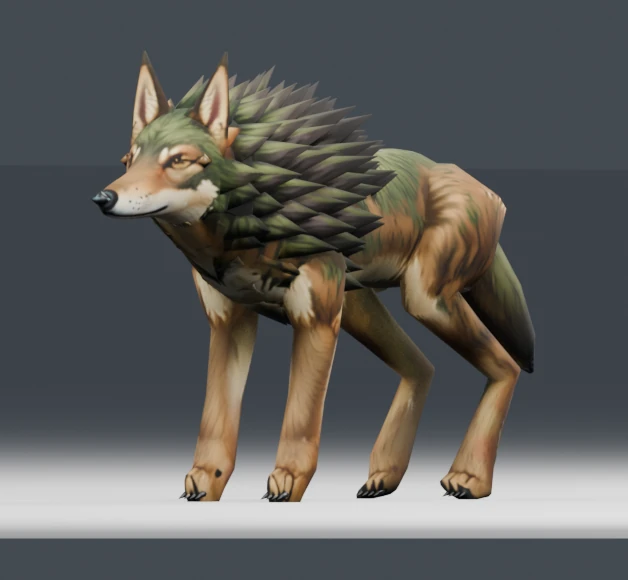
I can apply that approach elsewhere in the system because I understand how the parts need to fit. Several disciplines become available within one architectural direction. As the agents improve, I can ask more of each discipline and take on a more ambitious whole.
The gains depend on what you can do with the capacity
My productivity is roughly fifty times what it was on an hour-for-hour basis. I work more hours as well. Faster execution makes the next idea attainable, and seeing that result gives me more reasons to continue. The short feedback cycle has much of the appeal I have always found in games.
I could use another hundredfold improvement in agent capability. There are more systems I want to build than I have time to direct today. Better execution would expand the amount of my design I can put into practice.
There are other people working at this level. The ability is unusual, and it depends on a combination that takes work to develop: enough technical breadth to recognize possibilities, architectural judgment to turn them into coherent systems, and practical skill directing agents through the construction. Each strengthens the others. Experience in another field can change the design; capable agents let that improved design reach further.
That is why I expect the gap to widen as the tools improve. People who can make effective use of the additional capacity can attempt substantially more complex work. Their advantage grows with the scale of what they can direct.
For a client choosing who will build a system, architectural leadership becomes a major part of the value. It determines which problem gets solved, whether the parts work together, and how effectively the available execution capacity is used. At Wild Pines, that is the work I bring to the project.
If you have a system that requires that kind of direction, let’s discuss it.