Built for us. Built for you next.
It's the spark for what we could build for you.
Pinecone
Production-grade OSINT capture, paired with an R&D agent platform we push to its limits
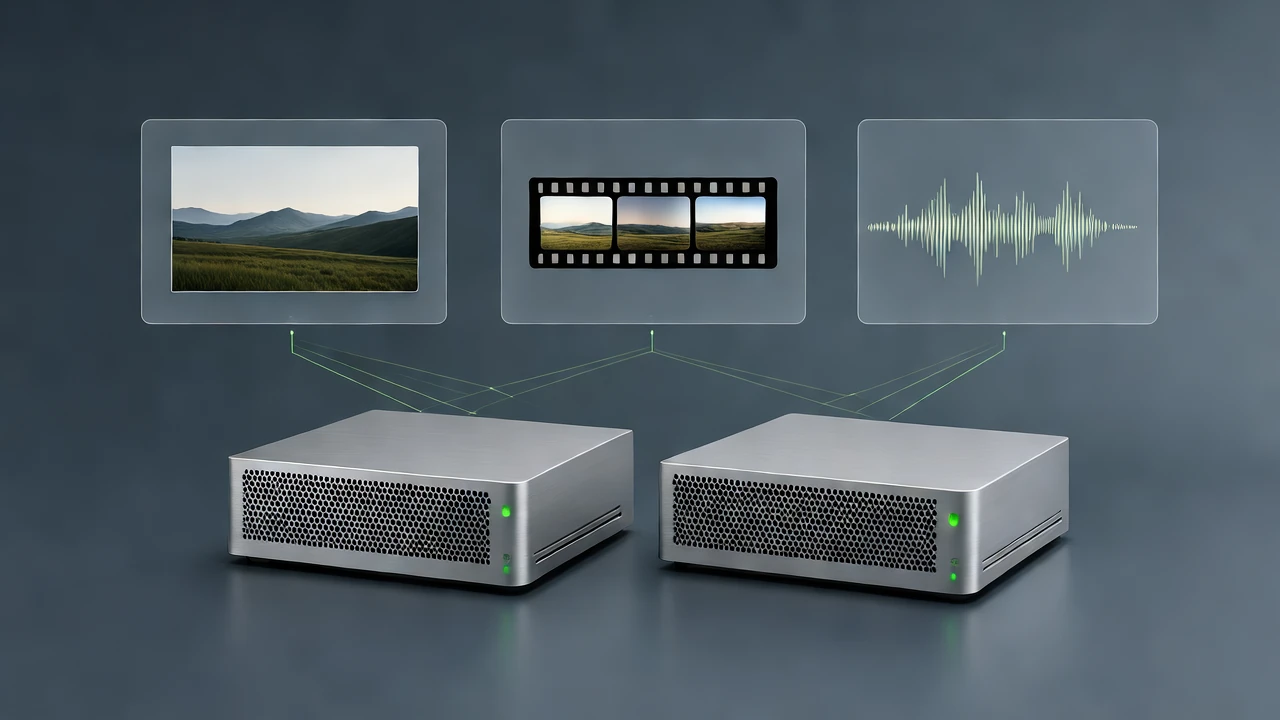
Three pieces in one stack. (1) A continuous OSINT capture pipeline, indexed daily, in active use. (2) The same agent technology we deploy for clients, on-rails and on-demand. (3) An R&D layer where we run those agents 24/7 unattended on our own ops, finding failure modes before clients see them. All on a local supercomputer cluster: token cost is just watts, sensitive data never leaves the premises.
Technical stack
- →Local AI supercomputer cluster (cost is watts, data stays on premise)
- →Continuous OSINT capture and corpus indexing
- →Autonomous agent technology (on-rails for clients, 24/7 in R&D)
- →Agent fleet observability and tracing
Why it matters
Most agentic systems demo well and break at month three. The patterns we deploy on client work have already survived months of unattended operation. You get an architecture proven against the failure modes that emerge over time, not just the ones that show in a demo.
AutoPundit
Daily AI-generated YouTube channel, multi-model pipeline end-to-end
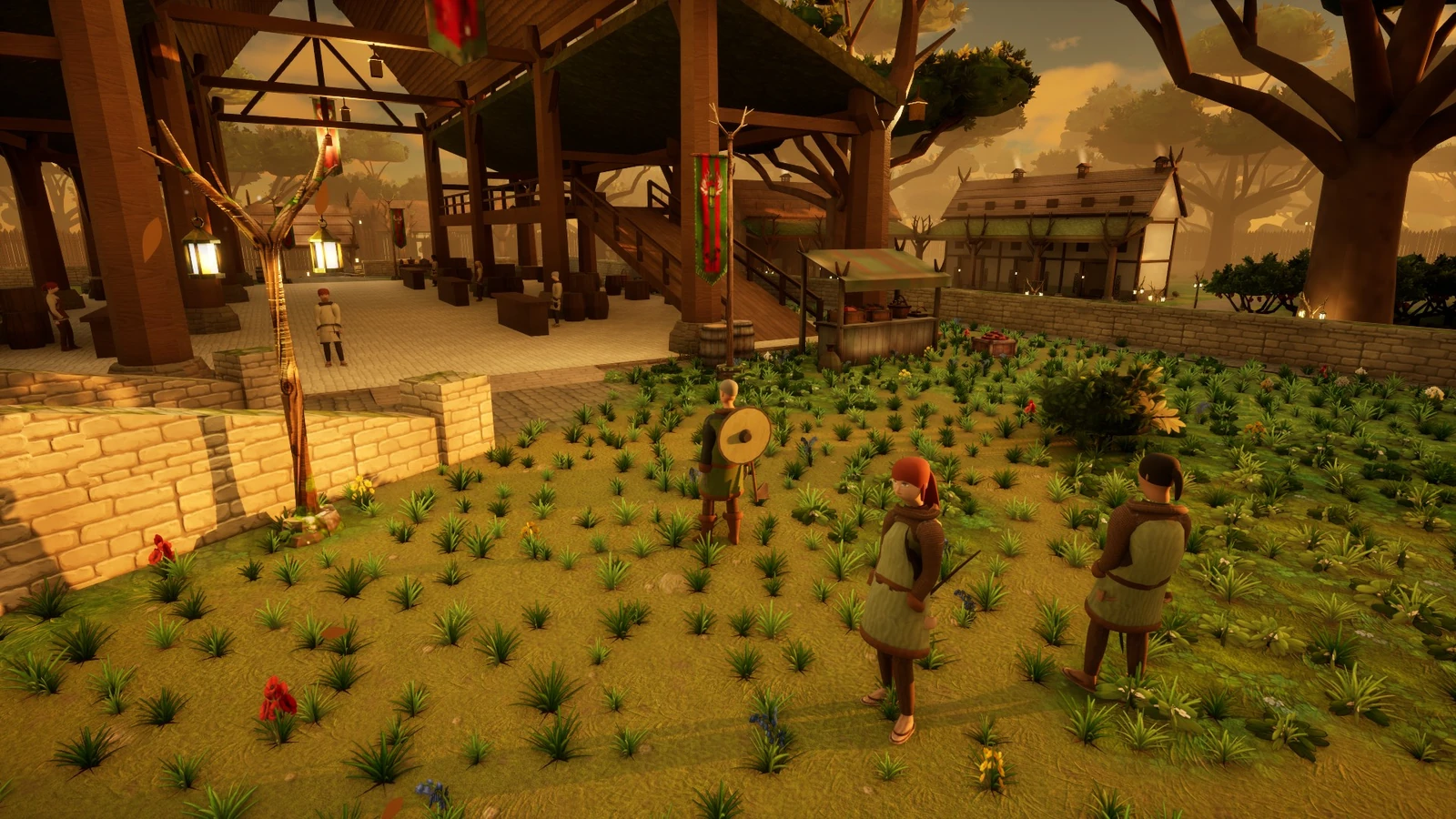
Topics get selected from research briefs, scripts get written, AI-generated audio narrates, image and video models produce visuals, and the final cut composes and uploads automatically. Paused while character and audio generation costs continue to drop.
Technical stack
- →Multi-model creative pipeline (LLM, TTS, image, video)
- →End-to-end automated production
- →Cron-scheduled, runs unattended
Why it matters
Multi-model orchestration is its own discipline. We have shipped end-to-end content pipelines that chain LLM, TTS, image, video, and avatar systems into something that runs unattended.
Herald
AI social media manager, ~500 followers in 3 months before X banned automation
Two-tier architecture: a fast model triages relevance, a reasoning model generates contextual replies. Brand voice loaded from context. Human-in-the-loop approval before posting. The X policy change in 2025 ended autopilot operation. The pattern lives on as a manual reply runbook.
Technical stack
- →Tiered model cascade (cheap filter, reasoning model generates)
- →Brand voice loaded from context
- →Human-in-the-loop approval before posting
Why it matters
The cost-tier pattern (cheap-model filter, expensive-model generate) is reusable everywhere. So is brand-voice-in-context. We learn from every build, including the ones the platform kills.
InkwellAI
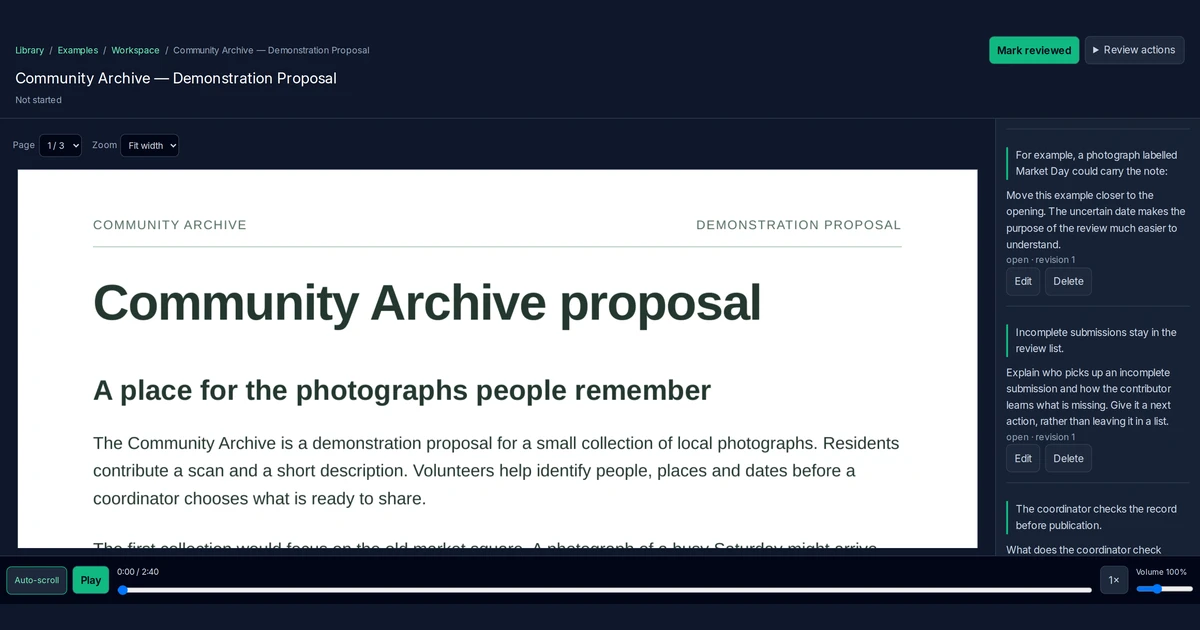
Proposal editor with audio-driven review and agentic note integration
An audio-driven editor for long-form documents. Listen to your draft narrated, take notes inline as you go, and an agent integrates those notes into a revised draft. Built for high-stakes documents that need careful, repeated review.
Technical stack
- →Audio-driven document review
- →Agentic note integration produces revised drafts
- →Built for long-form, high-stakes documents
Why it matters
Editing long documents is judgment-heavy work that loses momentum if you have to break flow to mark up a PDF. Listen, mark, integrate, repeat.
Lead-Ops
Agentic B2B outreach, multi-source discovery with human-in-the-loop gates
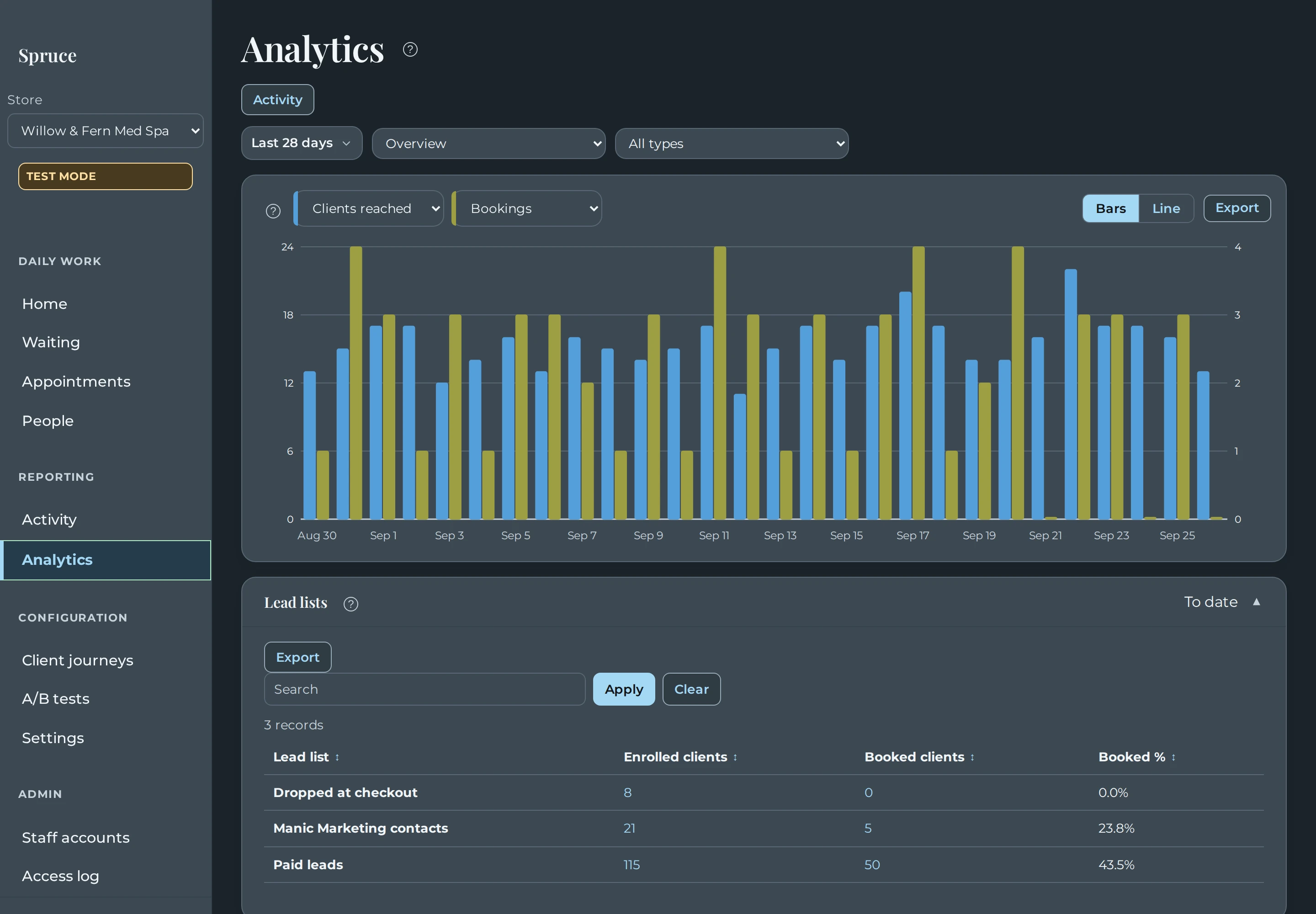
Multi-source prospect discovery feeds a pipeline that enriches, scores fit, and drafts outreach. Each stage gates for human review before progressing. The agent does the slow work; the human does the cheap work.
Technical stack
- →Multi-source signal-based prospecting
- →Staged human-in-the-loop gates
- →AI-driven scoring and personalized drafting
Why it matters
Outreach pipelines with judgment built in, not blast tools. The same pattern works for any pipeline that needs human checkpoints: sales, customer onboarding, content moderation.
Wild Companion
Character AI app with multi-user group chat, persistent memory, and image generation
Character AI app with multi-user group chat, persistent memory, and image generation. Cross-platform mobile, built on Blazor with a Supabase backend and integrated billing.
Technical stack
- →Cross-platform mobile (Blazor)
- →Supabase backend with row-level security
- →Multi-tenant character memory and image generation
Why it matters
Consumer apps live or die on three things: AI features that feel alive, auth and billing that don't fail, and polish details that don't slip. We engineer all three to ship-ready. The same bar applies to internal tools and customer portals.
The patterns above, made executable.
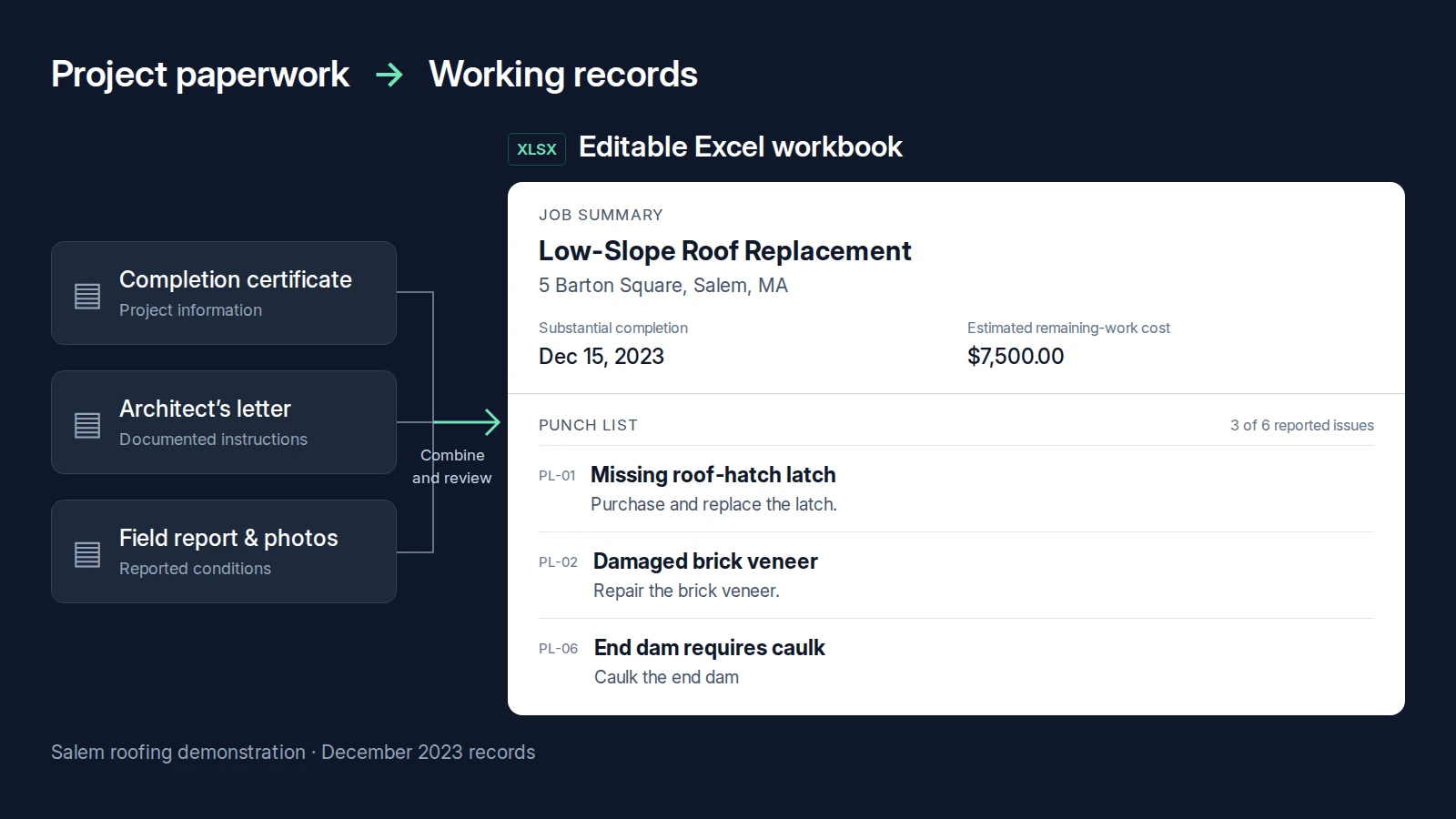
Each runbook is a markdown file an agent reads and runs against your stack, pausing where human judgment matters. This is how the patterns ship — not as slideware, as files.
Wild Companion Testing Runbook
Agentic red-teaming of mobile apps on a real Android emulator
An orchestrator dispatches sub-agents to drive a real Android emulator. Categories include visual regression, adversarial red-teaming, multi-model comparisons, context-retention, stress, network resilience, and code-level security checks. Output: an audit report.
What it does
- →Agentic red-teaming on real device
- →Sub-agent orchestration with token discipline
- →Adversarial safety prompt suite (jailbreak, prompt injection, policy bypass)
Why it matters
QA at the polish level customers expect, run by agents instead of manual click-throughs. The pattern works on web apps, internal tools, anything with a UI surface.
Pinecone Agent Audit Runbook
Diagnose and fix degradation in a long-running multi-agent system
When our R&D agent platform shows degradation, this runbook investigates: pipeline health, agent performance, config-runtime alignment, gaming detection, and fix planning. The output is a written fix plan with citations. A separate session executes the plan and verifies the metric actually moved.
What it does
- →Agent fleet observability and drift detection
- →Production agent ops discipline
- →Web-search-grounded fix plans with citations
Why it matters
Multi-agent systems silently degrade if you do not actively look. This is the discipline that keeps the system shipping clean output day after day.
Federal Proposal Runbook
End-to-end runbook for finding, scoring, and writing federal proposals
A runbook that walks the federal proposal workflow from topic discovery through draft assembly to review-ready output. Reusable boilerplate, agency-specific templates, and opportunity scoring keep the boilerplate parts repeatable so you can focus on the technical narrative.
What it does
- →LLM-based opportunity fit scoring
- →Reusable proposal boilerplate and templates
- →Compliance-aware assembly automation
Why it matters
Federal proposals are repetitive on the boilerplate parts and judgment-heavy on the technical content. The runbook handles the repetition so you keep your focus on the narrative.
Delivery Playbooks
Reusable, language-agnostic runbooks we deploy on our own work and yours
A library of portable playbooks that drop into any codebase. Same shape across all of them: investigation phases produce a written artifact, human approves a subset, execution phases follow. Nothing destructive without approval. We use them on our own code; they are also part of what client engagements include.
What's in the library
- →AI-driven code audit — read-only assessment of any codebase
- →Behavior-preserving refactor — kills oversized modules, atomic commits
- →Idea pressure-testing — product, market, and business-fit audit
- →Editorial workflow automation — session-scoped review-and-integrate for long-form documents
Why it matters
Each is portable in the literal sense. Point an agentic coding tool at one and say "follow it on this codebase," and the work runs end-to-end. Same discipline every time.
See a piece of work you've been putting off in here?
The free discovery is mostly figuring out which bucket each piece of your work falls into. Modernization, agentic flow, runbook, or some mix.